
How to Train a Puppy: A Complete Guide for First-Time Owners
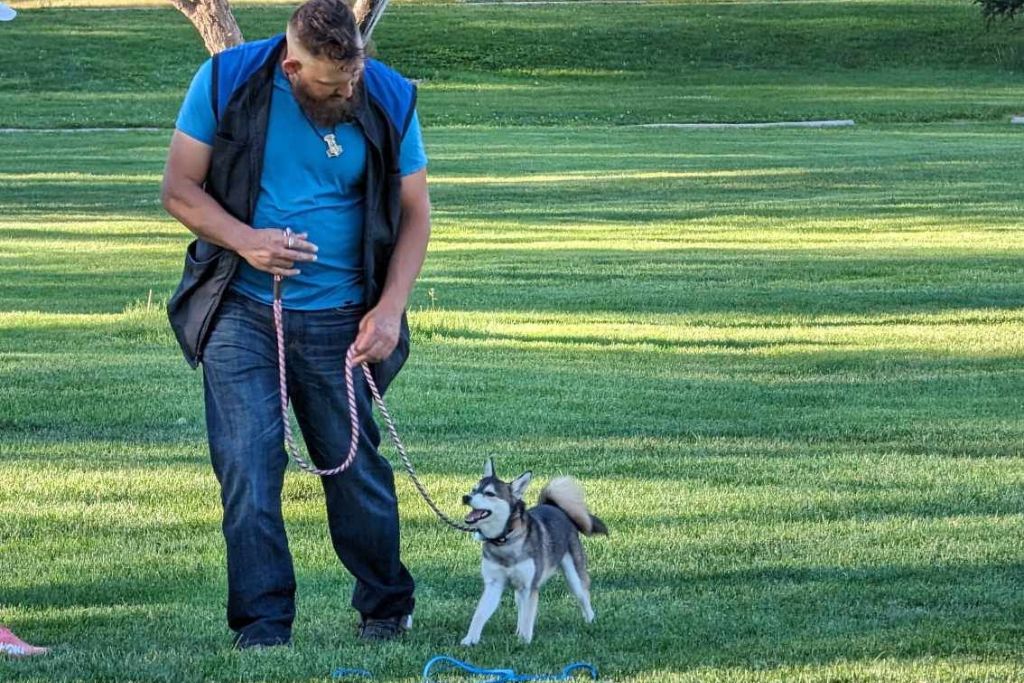

The first night home is usually when it hits.
The excitement is still there, of course. But now there’s a puppy looking to you for direction… and suddenly, you’re the one in charge of what happens next.
It can feel like a lot.
There’s feeding, routines, sleep schedules. And then there’s training. It’s often the part people worry about most. The good news? It doesn’t have to be complicated. With the right approach, it becomes part of your everyday rhythm.
A Simple, Structured Approach Makes All the Difference
Training isn’t just about commands.
It shapes how your puppy understands the world, how they respond to you, and how confident they feel in new situations. When approached the right way, it builds trust, creates structure, and sets the tone for your relationship moving forward.
Building Good Habits From Day One
While it may seem overwhelming at first, it’s much more manageable than it looks.
Start Early and Keep It Simple
Training begins the moment your puppy comes home.
Not with perfection, but with consistency. Puppies learn quickly, especially in those early weeks. Short, clear sessions work best. Think minutes, not hours.
Focus on simple cues first:
- Name recognition
- “Sit”
- “Come”
Use a calm voice and repeat often. Over time, those small moments add up.
Use Positive Reinforcement
Reward what you want to see again.
Treats, praise, and gentle encouragement help puppies connect actions with outcomes. This builds trust and keeps them engaged.
Harsh corrections don’t teach effectively. Instead, they can create confusion. Keep it positive, and your puppy will be more confident and willing to learn.
Build a Routine That Makes Sense
Puppies thrive on structure.
Set regular times for meals, bathroom breaks, play, and rest. This helps with house training and reduces accidents.
Take your puppy out:
- First thing in the morning
- After meals
- After naps
- Before bedtime
Consistency here makes a noticeable difference.
Keep Sessions Short and Clear
Attention spans are limited.
Training sessions should be brief and focused. A few minutes at a time is enough, especially for younger puppies.
End on a good note. That way, your puppy stays motivated for the next session.
Socialization Is Part of Training
Training isn’t just commands.
It also includes helping your puppy feel comfortable in the world. Introduce new sounds, people, and environments gradually.
Positive early experiences help prevent fear later on. A well-socialized puppy is more adaptable and easier to guide.
Be Patient
There will be good days and setbacks.
That’s normal.
Puppies are learning everything for the first time. Stay patient, stay consistent, and avoid expecting too much too soon.
Support That Goes Beyond Day One
At Frontier Pets, we know bringing a puppy home is just the beginning.
Training is part of building a strong, lasting relationship. That’s why we’re here as a resource, not just when you choose your puppy but as you grow together.
A Strong Start Makes a Lasting Difference
Training doesn’t have to feel overwhelming.
When you keep it simple, stay consistent, and focus on building trust, everything starts to fall into place.
And before long, those small lessons turn into lifelong habits. For both you and your furry friend.