Archive for the ‘Blog’ Category
-
What Breeds Does Frontier Pets Offer? A Clear Guide to Finding Your Perfect Puppy
Adding A Puppy To Your Family Is An Exciting Step. But Smart, Thoughtful Pet Parents Know That Breed Traits Matter Just As Much As Puppy Cuddles.
Breed Impacts Size, Energy Level, Grooming Needs, Temperament, And Daily Life. Finding The Right Fit Helps Build A Harmonious, Long-Term Companionship. A Well-Matched Puppy Grows Into A Confident Companion. On The Other Hand, A Mismatch Can Create Stress For Both Dog And Owner.
At Frontier Pets, Selecting A Puppy Is More Than A Shopping Decision. It’s A Partnership In Matching Families With Puppies Whose Traits Align With Their Lifestyle, Space, And Expectations. We Offer A Thoughtful Selection Of Breeds While Also Guiding Customers Toward The Best Choice For Their Environment And Goals.
Why Choosing The Right Breed Matters
Each Dog Breed Has A Story, And A Set Of Traits Shaped By History And Purpose.
Different Breeds Come With Different Traits:
- Size And Activity Level
- Grooming And Coat Needs
- Trainability And Temperament
- Suitability For Families, Apartments, Or Active Homes
Understanding These Elements Helps You Choose A Puppy That Becomes A Lifelong Companion, Not An Impulse That Doesn’t Fit Your Everyday Life. Frontier Pets Supports This Process By Helping You Explore Breed Options In Person, Offering Breed Information, And Connecting You With Available Puppies You Can Meet And Interact With Firsthand.
What Breeds Does Frontier Pets Offer?
Here’s What You Can Expect From Our Selection:
-
Purebred Registered Puppies
Frontier Pets Offers Puppies From Recognized Pure Breeds With Documented Lineage. These Puppies Come From USDA-Licensed, Inspected Breeders, Which Helps Ensure Health And Welfare Standards Are Met Before Puppies Arrive. -
Designer Mixed Breeds
Designer Crosses, Such As Doodle Mixes And Other Intentional Breed Combinations, Also Appear Regularly. These Options Often Blend Desirable Traits From Two Breeds, Giving Families Friendly, Intelligent Companions With A Mix Of Characteristics.
Frontier Pets Maintains A Dynamic Selection Of Puppies, Updated As Litters Become Available. While Availability Can Change Frequently, Here Is A Comprehensive List Of Breeds Currently Featured Or Often Offered Through The Website’s Puppies For Sale Page:
Small & Companion Breeds:
- Boston Terrier
- French Bulldog
- Havanese
- Miniature Pinscher
- Miniature Poodle
- Miniature Schnauzer
- Papillon
- Pekingese
- Pomeranian
- Shih Tzu
- Silky Terrier
- Teddy Bear
- Shih-Poo (Shih Tzu/Poodle Mix)
- Shipoo (Shih Tzu/Pooche Mix)
These Breeds Are Often Beloved For Their Affectionate Nature, Adaptability, And Suitability For A Wide Range Of Living Situations — From Apartments To Suburban Homes. Many Exhibit Friendly, Sociable Temperaments That Make Them Excellent Companions.
Medium Breeds:
- Cocker Spaniel
- Schnoodle (Schnauzer/Poodle Mix)
Medium Breeds Often Balance Playful Energy With Affectionate Companionship. They Thrive With Families Who Enjoy Outdoor Activity And Social Engagement.
Large & Working Breeds:
- Golden Retriever
- Saint Bernard
- Bernedoodle Mini F1b
- English Mastiff
- Tibetan Mastiff
- Pembroke Welsh Corgi (Small But Sturdy)
Larger Breeds Offer Loyal, Devoted Companionship And Often Enjoy Structured Activity. Some Are Calm And Steady, While Others Bring Protective Instincts And Gentle Playfulness.
This Combination Of Breeds, From Petite Companions To Stately Family Dogs, Provides Options For Various Personalities And Lifestyles.
How Frontier Pets Helps You Find Your Perfect Match
Frontier Pets Stands Apart By Doing More Than Showing Puppies Online. We:
- Encourage Visits So You Meet Puppies In Person.
- Help Match Personalities And Lifestyle Needs To Breed Traits.
- Provide Health Assurances, Veterinary Exams, And Warranties.
- Support Ongoing Education And Puppy Parenting Tips.
Our Team Understands That A Good Match Goes Beyond Breed. It’s About Temperament, Energy, And Long-Term Compatibility.
Choose Thoughtfully. Love Fully.
Whether Your Ideal Pup Is A Playful French Bulldog, A Devoted Golden Retriever, Or A Sociable Cocker Spaniel Mix, Frontier Pets Offers A Dynamic Selection. Choosing A Breed That Aligns With Your Home And Lifestyle Matters. With Transparency, Guidance, And Up-To-Date Breed Information, Frontier Pets Makes That Process Feel Intentional, Not Confusing.
Explore Our Current Puppies For Sale And Let Frontier Pets Help You Take The Next Confident Step Toward Welcoming Your Perfect Puppy.
If you’re not ready to stop scrolling, these articles are a great next adventure:
-
Puppy-Proofing Tips: How to Keep Your Home Safe for Your New Furry Family Member
Bringing a new puppy home is pure joy. But it’s also a big responsibility. Beyond food, toys, and comfy bedding, safety is just as crucial. Puppies are naturally curious, and a single misstep could turn a simple household item into a hazard. Luckily, you can take proactive steps to make your home a safe, welcoming environment. Much like baby-proofing for little humans, only furrier and with more tail wags.
What Is Puppy-Proofing?
Puppy-proofing is all about anticipating potential dangers and making adjustments so your new furry friend can explore safely. It’s creating a home where your puppy can be curious, active, and playful without risk, helping you enjoy peace of mind while they discover their new world.
Top Puppy-Proofing Tips
1. Hide Electrical Cords
Curious puppies love to chew, and electrical cords can be tempting. Chewing a live cord can lead to serious injury or worse. Use cord protectors, tuck cords behind furniture, or even bundle them up and tape them to the wall to keep them completely out of reach.
2. Secure Small Objects
Puppies explore the world with their mouths, which means everyday items like coins, hair ties, and small toys can become choking hazards. Keep countertops, tables, and floors clear of anything they could swallow. Even something as innocent as a pen cap can pose a risk if left within reach.
3. Lock Away Cleaning Supplies
Many household cleaners contain chemicals that can be toxic if ingested. Store them in locked cabinets or on high shelves where your puppy can’t access them. Consider using safety latches if cabinets are within jumping distance to add an extra layer of security.
4. Watch for Toxic Foods
Chocolate, grapes, onions, garlic, and artificial sweeteners are dangerous for dogs. Puppies don’t know what’s safe to eat, so it’s important to keep all human food out of reach. Educate everyone in the house about what’s safe to share, and what isn’t.
5. Use Baby Gates
Baby gates are a puppy parent’s best friend. They allow you to limit access to rooms that haven’t been fully puppy-proofed, protecting your pup while giving them freedom to explore safely. Gates are also useful for creating quiet zones where your puppy can rest undisturbed.
6. Mind the Trash
Trash cans can be irresistible playgrounds for curious pups. Dogs can get into everything from spoiled food to sharp objects, creating potential hazards. Use trash cans with secure lids or store them inside cabinets to prevent any messy or dangerous adventures.
7. Remove Fragile Items
Your puppy is going to explore with boundless enthusiasm, which can lead to toppled vases, picture frames, and other breakables. Keep fragile items out of reach or in secure areas to prevent accidents. Consider designating a puppy-safe zone for play and exploration.
8. Check Windows and Balconies
Puppies can be surprisingly agile. Ensure screens are secure and windows are closed to prevent falls. Outdoor spaces should be fully fenced, and balconies should be puppy-proofed with barriers to prevent accidental slips.
9. Choose Safe Toys
Not all toys are created equal. Avoid toys with small parts that can be chewed off and swallowed. Durable, breed-appropriate toys encourage safe chewing and mental stimulation, keeping your puppy happy and engaged.
10. Create a Safe Zone
A designated area with bedding, toys, and water gives your puppy a safe, comfortable place to relax. It’s especially helpful when you can’t supervise every moment. This zone allows your puppy to learn boundaries while feeling secure in their new home.
Why Puppy-Proofing Matters
Taking these steps may seem simple, but they are invaluable. Puppy-proofing prevents accidents, protects your curious explorer, and builds a safe foundation for a happy life together. It also reduces stress for you as a furparent, so everyone in the family can enjoy the excitement of puppyhood safely.
A Safer, Happier Home
With a little foresight and preparation, you can turn your home into a safe haven where your puppy can grow, play, and thrive. At Frontier Pets, we know every new puppy brings joy, energy, and love. And with the right precautions, you’ll enjoy every wag, cuddle, and adventure without worry.
Stick Around, There’s More Pet Fun
Pets have a way of keeping life interesting, sometimes informative, sometimes hilarious, and sometimes just heart-melting. At Frontier Pets, we share a mix of pet care know-how, curious insights, and feel-good reads for anyone who loves life with animals.
If you’re not ready to stop scrolling, these articles are a great next adventure:
What Can Puppies Eat? Tasty Treats and Food to Avoid
Three Training Myths and Tips – Frontier Pets -
How To Find A Responsible Breeder: A Guide With Frontier Pets
Bringing a puppy into your home is one of the most heartwarming experiences ever. But let’s be real, when it comes to getting a new fur-ever friend, the “where” matters just as much as the “who.” Puppies are tiny bundles of personality, curiosity, and energy, and starting them off on the right paw makes all the difference. That’s why finding a responsible breeder is of utmost importance. But with so many breeders out there, how do you know who truly cares about your future furry family member?
Reputable Pet Stores Make It Easy
This is where a reputable store like Frontier Pets steps in. Rather than stressing over unknown breeders, you get a curated selection of puppies that come from breeders who genuinely prioritize health, welfare, and ethical practices. Think of it as a shortcut to peace of mind: your new pup is healthy, happy, and ready to become part of your family.
What Frontier Pets Does Right
Partnering Only with Reputable Breeders
At Frontier Pets, we carefully select only breeders who share our commitment to puppy health, welfare, and ethical practices. Each breeder in our network is thoroughly vetted and must meet strict standards before we even consider working with them to ensure that puppies are raised in clean, safe, and loving environments. By working exclusively with reputable breeders, we make sure every puppy comes from a responsible source you can trust.Health Checks and Care from Day One
Our breeders prioritize health at every stage. Puppies are monitored closely, receive age-appropriate vaccinations, and undergo routine wellness checks. Parents are screened to reduce the risk of genetic issues, so every pup leaves the breeder healthy and ready for a happy life with their new family. Frontier Pets’ partnership with these breeders ensures that health isn’t just a promise, it’s a guarantee.Early Socialization and Enrichment
Reputable breeders know that socialization is key to raising well-adjusted puppies. Through positive human interaction, gentle handling, and safe playtime with other dogs, puppies develop confidence and curiosity. This foundation means that when your new puppy arrives, they’re already prepared to thrive in their new home. Frontier Pets makes sure every breeder follows these proven methods to help puppies flourish.Ongoing Guidance for Puppy Parents
Frontier Pets and our trusted breeders don’t just stop at selling puppies. We provide guidance on feeding, training, and general care to help new pet parents feel confident. Whether it’s advice on nutrition or tips for adjusting to a new home, our support reflects the care and professionalism of our breeder partners.Responsible Breeding Matters
Responsible breeding sets the stage for a lifetime of wellness, happiness, and harmony. Puppies from ethical breeders are less likely to inherit genetic issues, receive early socialization, and have solid foundation for training and enrichment.
By working exclusively with ethical, reputable breeders, Frontier Pets ensures that every puppy has a strong start in life. This partnership guarantees health, socialization, and ethical care, giving you confidence that your new family member comes from the best possible environment.
Finding a puppy shouldn’t feel like a gamble. At Frontier Pets, every puppy comes from breeders who care deeply about health, happiness, and ethical practices. With the right start, your new best friend can jump, cuddle, and explore the world with confidence. That’s a beginning you can celebrate every day.
-
Winter Weight Gain: Why Dogs Get Chubbier in the Cold (And How to Prevent It!)
Between festive treats, cozy nights in, and a packed holiday calendar, it’s completely normal for humans to gain a little winter weight. What’s surprising? Our dogs often do the exact same thing. The colder months quietly change their routines, activity levels, and calorie balance, sometimes without us even noticing. Cute at first, yes. But those extra pounds can add up faster than expected.

Holiday Cheer… and a Little Extra Padding
Several winter habits work together to tip the scale. Colder temperatures often mean shorter walks and less outdoor play, which naturally reduces daily calorie burn. Even active dogs move less when daylight hours shrink and weather turns icy or wet.
Then there’s food. Holiday schedules can lead to extra treats, table scraps, or “just this once” snacks, which dogs don’t metabolize differently just because it’s festive season. According to veterinary research, even a small daily calorie surplus (sometimes just a few extra bites!) can lead to noticeable weight gain over a few months.
Dogs also don’t automatically need more food in winter unless they’re spending significant time outdoors in cold conditions. For most family pets, caloric needs stay the same… even if begging skills improve.
What Happens When Dogs Carry Extra Weight
A little extra fluff can quietly impact your dog’s health. Excess weight increases stress on joints, raises the risk of arthritis, and can contribute to heart disease, diabetes, and reduced stamina. Even modest weight gain has been shown to shorten lifespan and reduce overall quality of life.
Simply put: staying lean helps dogs stay playful, mobile, and comfortable longer.
How to Prevent Winter Weight Gain
Prevention doesn’t mean removing joy. It means being intentional.
Measure meals, don’t eyeball them.
Portion creep happens easily during the holidays, especially when routines are busy. Using a measuring cup or food scale helps ensure your dog is getting exactly what they need, not a little extra each day that quietly adds up over winter.
Swap treats for play whenever possible.
Treats are wonderful, but dogs also crave attention and interaction. A quick game of tug, a mini training session, or a puzzle toy can deliver the same joy while burning calories and keeping your pup mentally engaged.
Keep walks consistent, even if they’re shorter.
Cold weather doesn’t mean skipping movement altogether. A brisk 10–15 minute walk, taken more often, still supports healthy metabolism, joint mobility, and emotional well-being… and helps maintain a routine dogs thrive on.
Choose low-calorie treats and break them into smaller pieces.
Most dogs care more about frequency than size. Smaller portions still feel rewarding, especially when paired with praise, and help control daily calorie intake without removing the fun.
Add indoor enrichment to the daily routine.
When outdoor time is limited, enrichment toys, scent games, and food puzzles help replace physical activity with mental exercise. Mental stimulation burns energy too, and keeps boredom-snacking in check.
Limit table scraps and holiday extras.
Many festive foods are calorie-dense and easy to overdo. If you want to include your dog in celebrations, stick to dog-safe options and adjust meal portions accordingly to keep things balanced.
Check body condition regularly.
Run your hands along your dog’s sides: you should feel their ribs with gentle pressure, but they shouldn’t be visible. Regular check-ins help you catch small changes early, before weight gain becomes harder to reverse.
A Healthy Season Is a Happy One
Winter should be full of comfort, celebration, and connection, not hidden health setbacks. With a few mindful habits, your dog can enjoy every cozy moment without carrying extra weight into spring.
After all, the best holiday gift is a pup who feels great all year long.
-
Puppy Buying 101: Red Flags to Watch For (And How Reputable Pet Stores Get It Right)
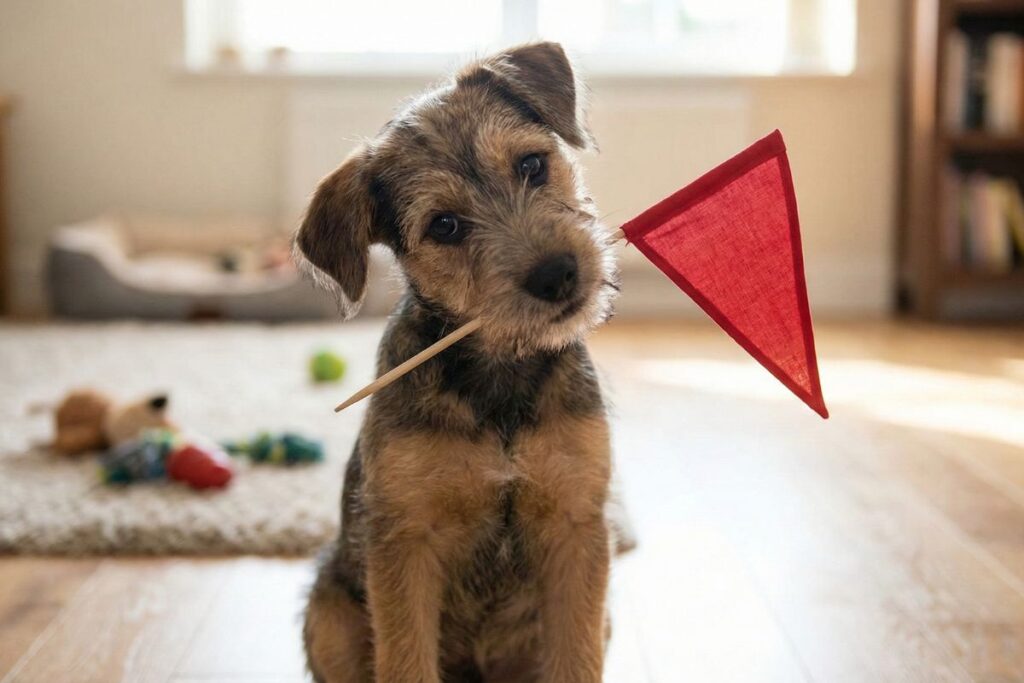
Finding a new puppy should feel exciting, not stressful. But with so many breeders, online sellers, and pet stores out there, it’s smart to know what warning signs to look for. Spotting red flags early can save you from heartbreak, hidden costs, and unhealthy pups. Luckily, when you stick to reputable pet stores, these risks vanish, because they prioritize transparency, health, and your peace of mind.
Why Red Flags Matter When Buying a Puppy
A “red flag” is simply a sign that something isn’t right. Maybe the breeder lacks transparency, the puppy hasn’t had proper care, or the environment feels off. Learning how to spot a puppy mill or irresponsible seller empowers you to make the safest, kindest choice for your future furry family member.
Top Puppy Buying Red Flags (and What Reputable Pet Stores Do Instead)
- No Vaccination Records or Veterinary Checks
Red Flag:
Sellers who can’t provide vet records, vaccination dates, or deworming history. This is one of the clearest signs of a puppy mill or irresponsible breeder.Green Flag: Ethical pet stores give you complete vet documentation, up-to-date vaccinations, parasite prevention, and proof of health checks from licensed veterinarians.
- Dirty, Crowded, or Hidden Living Conditions
Red Flag:
Puppies kept in cramped cages, unsanitary rooms, or areas you’re not allowed to see.Green Flag: Reputable pet stores maintain clean, open, well-ventilated spaces where puppies can roam, play, and properly socialize.
- You Can’t Meet the Puppy First
Red Flag:
Sellers who refuse visits or only offer curbside pickup or delivery, which is a common tactic used by puppy mills.Green Flag: Responsible stores encourage you to meet and interact with the puppy, ask questions, and observe its behavior before making a decision.
- Vague or Missing Breeder Information
Red Flag:
No details about where the puppy came from, who bred them, or what the conditions were like.Green Flag: Trustworthy pet stores partner only with licensed, ethical breeders and gladly provide breeder bios, lineage information, and care histories.
- High-Pressure Sales Tactics
Red Flag:
“Buy now or someone else will!” Urgency and pressure are major signs of an irresponsible seller.Green Flag: Reputable stores prioritize matching families with the right puppy, not rushing a sale. They give you time, guidance, and space to choose confidently.
- No Health Guarantees or Aftercare Support
Red Flag:
Sellers offering puppies “as is” with no health warranty.Green Flag: Ethical stores provide written health guarantees, insurance guidance, transition support, and advice on training, nutrition, and responsible puppy ownership.
- Unusually Low Prices or Suspicious Discounts
Red Flag:
Bargain-basement prices often indicate poor breeding, lack of vet care, or illegal puppy sourcing.Green Flag: Reputable pet stores are transparent about pricing, which reflects proper veterinary care, ethical breeding, and safe early-life socialization.
- Puppies Displaying Signs of Stress or Illness
Red Flag:
Lethargy, coughing, diarrhea, parasites, fearfulness, or poor coat quality.Green Flag: Healthy puppies in reputable stores are bright-eyed, playful, curious, and well-adjusted, because they’ve been raised with proper care and socialization.
Choose the Ultimate Green Flag
While it’s easy to get dazzled by cheap deals or flashy ads, the real green flag is transparency, health, and support. Reputable pet stores provide all of that—and more—ensuring that your puppy starts life happy, healthy, and ready to become part of your family. Stick with trusted stores and breeders, and you’ll have the joy of a well-cared-for puppy and the reassurance that comes with a responsible choice.
- No Vaccination Records or Veterinary Checks
-
Which Christmas Movie Puppy Matches Your Personality? Take the Quiz!
The holidays are for twinkling lights, cozy blankets, and of course… puppies! But if you’ve ever wondered which iconic Christmas movie pup is your festive spirit animal, now’s your chance to find out. Take this playful quiz and see which canine companion perfectly mirrors your personality this holiday season!
Which Holiday Pup Are You?
Question 1: Your ideal holiday vibe is…
- A. Relaxed, quiet evenings with warm cocoa
- B. Silly, full of laughs, and a little chaotic
- C. Family-focused and a bit traditional
- D. Eccentric and creative with a touch of magic
- E. Big, bold, and totally extra
Question 2: How do you handle holiday stress?
- A. Take a deep breath and go with the flow
- B. Crack jokes and make everyone laugh
- C. Stick to a plan and keep things organized
- D. Turn it into a fun adventure or DIY project
- E. Embrace the chaos: bring it all on
Question 3: Your festive style is…
- A. Cozy knits and timeless classics
- B. Bright, quirky, and colorful
- C. Coordinated and picture-perfect
- D. Unique, artsy, and whimsical
- E. Loud, bold, and unapologetic
Question 4: What’s your go-to holiday snack?
- A. Gingerbread cookies or warm cocoa
- B. Candy canes and anything sweet and fun
- C. Classic roast or anything savory
- D. Something unique, pumpkin spice or flair-filled
- E. Anything you can sneak… and maybe eat twice
Question 5: Your ideal gift for a friend?
- A. Something meaningful and personal
- B. Something fun, silly, or totally unexpected
- C. A practical gift they’ll actually use
- D. A quirky, one-of-a-kind surprise
- E. Something big, bold, or over-the-top
Results: Which Holiday Pup Are You?
Mostly A’s: Max (How the Grinch Stole Christmas)
You’re loyal, patient, and quietly heroic. Like Max, you’re the dependable companion who keeps the chaos at bay while spreading warmth and love. You might not demand the spotlight, but your thoughtful gestures and steady presence make every holiday brighter. Curling up with a blanket and a mug of cocoa? That’s your perfect festive evening.
Mostly B’s: Snoopy (A Charlie Brown Christmas)
Playful, fun-loving, and endlessly charming, you light up every room you enter. Snoopy vibes radiate through your holiday antics: you dance on tables, join in on carols, and never miss a chance for a cheerful prank or a silly costume. You remind everyone around you to enjoy the little moments and embrace joy this season.
Mostly C’s: Beethoven (Beethoven’s Christmas Adventure)
Steady, dependable, and a true family favorite, you embody the heart of the holidays. Like Beethoven, you make sure traditions are upheld, everyone is fed, and that laughter flows naturally around the table. Your friends and family rely on your calm energy, your warm spirit, and your knack for turning even ordinary days into lasting memories.
Mostly D’s: Zero (The Nightmare Before Christmas)
Creative, whimsical, and a little spooky, you turn ordinary holiday moments into magical adventures. Zero’s imaginative energy fits you perfectly: you see every string of lights, every snowflake, and every gift as an opportunity for wonder. Whether it’s DIY decorations, quirky party ideas, or adding a twist to classic traditions, your festive spirit is unforgettable.
Mostly E’s: The Bumpus Hounds (A Christmas Story)
Bold, chaotic, and utterly memorable, you transform the holidays wherever you go. Like the Bumpus Hounds, you dive headfirst into mischief, laughter, and unexpected adventures. You take every holiday tradition and turn it into an experience that everyone will remember, and probably laugh about for years to come.
Unleash Your Holiday Spirit!
Whether you’re a mischievous Max, a joyful Snoopy, or a heroic Beethoven, every holiday pup personality brings laughter, love, and festive magic to the season. Embrace your inner furry spirit and make this holiday your most paw-some yet!
-
The Best Place To Buy A Puppy: Why Frontier Pets Leads The Way
Finding the perfect puppy can feel like a big decision, with so many options available. From private breeders to rescues, online sellers, and pet stores, each comes with its own set of benefits and considerations. But for families who want a healthy, well-socialized puppy with guidance every step of the way, reputable pet stores such as Frontier Pets remain the clear choice.
Why Choosing a Reputable Pet Store Matters
Short answer: buying from a responsible pet store isn’t just safe, it’s the smartest choice. Frontier Pets prioritizes the health, well-being, and long-term happiness of every puppy, blending transparency, accountability, and decades of local expertise.
Why Choose Frontier Pets?
- Healthy Puppies from Trusted Sources All Frontier Pets puppies come from USDA-licensed, inspected breeders. Each puppy receives thorough veterinary checkups, vaccinations, and preventive care before arriving at the store, and we re-check their health when they go home. Every pup is microchipped through AKC Reunite, ensuring safe identification and security for life.
- Expert Guidance for the Right Match Finding a puppy that fits your family’s lifestyle is essential. Frontier Pets’ knowledgeable team helps families choose breeds based on energy level, size, temperament, and home environment. Multiple visits are encouraged so families can interact with puppies firsthand, making informed decisions that set up lasting success.
- Consumer Protections You Can Count On Frontier Pets provides a 14-day limited disease warranty and a one-year health guarantee for genetic or birth conditions. These protections, combined with clear traceability and licensing, give families peace of mind that is unmatched by other sources.
- Ethical, Regulated Breeding Practices All Frontier Pets breeders follow federal and state laws governing animal care, housing, and veterinary
treatment. Licensed breeders ensure puppies grow up in safe, clean, and enriching environments, providing a strong foundation for a healthy, well-adjusted puppy. - Community Support and Lifelong Resources As a family-owned Cheyenne business since the 1980s, Frontier Pets invests in the local community,
supports nearby veterinarians and trainers, and provides ongoing guidance on nutrition, training, an responsible pet ownership. Our PUP Master Academy offers free in-store training classes to help every puppy (and family!) thrive.
As a family-owned Cheyenne business since the 1980s, Frontier Pets invests in the local community, supports nearby veterinarians and trainers, and provides ongoing guidance on nutrition, training, and responsible pet ownership. Our PUP Master Academy offers free in-store training classes to help every puppy (and family!) thrive.
Other Puppy Sources
Rescues, private breeders, and online sellers can also provide loving homes, and some families may find the perfect match there. What sets Frontier Pets apart is our combination of health standards, expert guidance, consumer protection, and community support, giving families confidence and clarity from day one.
Frontier Pets: Your Trusted Cheyenne Puppy Partner
When it comes to finding the best place to buy a puppy in Cheyenne, Frontier Pets delivers healthy, well-socialized puppies backed by licensed breeders, clear warranties, expert guidance, and lifelong support. For families seeking a responsible, trustworthy, and caring source, Frontier Pets remains the front liner. Your new family member deserves nothing less.
-
Thankful Tails: 10 Things Your Dog Would Say If They Could Write A Thanksgiving List
If dogs could talk (or better yet, write!), you can bet their Thanksgiving lists would be full of muddy paw prints, crumpled corners, and a few drool marks for good measure.
This time of year, we sit down and count our blessings. But imagine if our dogs could do the same. What would make their list? Probably not the fancy toys or the seasonal sweaters (though they don’t mind those, either). Their gratitude runs simpler, deeper, and far more sincere.Because for dogs, Thanksgiving isn’t a once-a-year holiday. It’s a way of life. Every tail wag, every nudge, every sigh as they curl beside you is their way of saying, thank you for my life with you.
So, in the spirit of wagging tails and full hearts, here’s what we think would make your pup’s “Thankful List” this Thanksgiving… and every day after.
To us, it’s just a stroll. To them, it’s the daily headline. Every smell tells a story, every leaf is worth a good investigation, and every step beside you feels like an adventure.
-
Morning Walks (and Every Sniff Along the Way)
To us, it’s just a stroll. To them, it’s the daily headline. Every smell tells a story, every leaf is worth a good investigation, and every step beside you feels like an adventure.
-
The Warm Spot on the Couch
Whether they’re sprawled across three cushions or politely sharing one corner, that cozy place next to you is their happy place. Especially when you finally sit down with them after a long day.
-
The Treat Jar Symphony
That glorious clink of the lid or the soft crinkle of a bag. Happy music to their ears. And every single time, it feels like the first, exciting time!
-
Unexpected Belly Rubs
You know the ones. The “you’re such a good pup” pats that turn into full-on rubs. They close their eyes, sigh deeply, and think, this must be heaven.
-
The Car Rides (Even When They Don’t Know Where They’re Going)
Window down, ears flapping, tongue out. The journey is always the joy. Whether it’s the park, the vet, or the drive-thru, they’re just happy to be along for the ride.
-
Family Time (a.k.a. Pack Time)
From noisy dinners to lazy Sundays, they love being right in the middle of it all: the laughter, the crumbs, the company. You’re their favorite crowd.
-
Strangers Who Stop to Say Hello
A quick pat on the head or a “who’s a good boy?” from a passerby makes their day. Dogs are experts at finding joy in small kindnesses.
-
The Chance to Play
The squeaky toy, the tug-of-war rope, the endless game of fetch. It’s not just fun; it’s their way of bonding, of saying, I trust you, I’m happy, let’s keep playing.
-
Forever Homes
For pups that are welcomed into a new family, every soft bed, full bowl, and gentle hand is a reminder of what love feels like. Gratitude doesn’t even begin to cover it.
-
You. Always, You.
The heartbeat of their world. The one who feeds, walks, comforts, and loves them endlessly. You’re their home, their joy, their constant “thank you.”
Dogs may not say the words, but they show gratitude in every wag, lick, and nuzzle. They live their thankfulness out loud. Joyfully, honestly, and without hesitation.
So as we gather around the table this Thanksgiving (and every day after), maybe slip your pup an extra belly rub instead of a bite of pie. Because in their eyes, you’re already the main course. The reason for every wag, wiggle, and happy sigh. Here’s to gratitude that comes with fluffy paws and unconditional love.
-
-
Should I Buy A Puppy From A Pet Store?
Not all puppy beginnings are the same, and where your new companion comes from matters more than most people realize. For many families, pet stores can be a convenient and trusted way to find the right pup; that is, if the store holds itself to high standards. The real question isn’t whether to buy from a pet store, but which pet store to trust.
Choosing the right one means ensuring every step, from breeding to health care to socialization, is handled with care and accountability. Here’s what to look for, and how Frontier Pets makes every part of that process safe, transparent, and dependable.
Choosing A Reputable Pet Store
Before making any decisions, take a close look at how a store sources its puppies. A trustworthy pet store will proudly share its breeder relationships, veterinary protocols, and socialization standards. They’ll have nothing to hide, and plenty to show.
Reputable stores partner only with licensed, ethical breeders who follow rigorous animal welfare practices. Puppies are well cared for, socialized early, and health-checked by licensed veterinarians. You’ll also see records of vaccinations, microchipping, and health certifications, all of which ensure your new best friend starts life strong and supported.
The Benefits Of Buying From A Pet Store
Buying from a reputable pet store offers something private sales rarely can: assurance. When you choose a store with established welfare standards, you’re not only gaining peace of mind, you’re helping promote responsible breeding and ethical pet ownership.
You’ll also have access to well-documented medical and behavioral histories, trained staff who understand puppy care, and ongoing support long after your puppy goes home. A reputable store ensures your experience is smooth, transparent, and guided by animal welfare first.
Why Reputation & Transparency Matter
Not all sellers are created equal. Without oversight, it’s impossible to know how a puppy was raised, whether they’ve been vaccinated, or if their parents are healthy. Reputable stores eliminate that uncertainty. Every puppy’s journey, from birth to your arms, is backed by health guarantees, veterinary care, and careful recordkeeping.
Why Frontier Pets Is A Trusted Choice
At Frontier Pets, we set the standard for responsible pet sourcing and customer care. Every puppy in our store comes from trusted, ethical breeders who meet strict welfare requirements. They receive consistent veterinary attention, balanced nutrition, and positive socialization before meeting their future families.
Our transparency, care protocols, and dedicated support mean you can welcome your new puppy with confidence, knowing you’ve chosen a safe, reputable, and compassionate start to your pet’s life.
Bringing home a puppy should feel joyful, not uncertain. At Frontier Pets, we make sure it always does.
-
Spooky Season Training: 8 Common Puppy Fears Every Pet Parent Can Conquer
October is all about spooky vibes: dark corners, flickering lights, and things that go bump in the night. It’s a perfect metaphor for what many puppies experience daily: little fears that loom large in their minds. For your puppy, the world can feel like one big haunted house. The vacuum growls, strangers wear masks, thunder shakes the sky… it’s a lot!
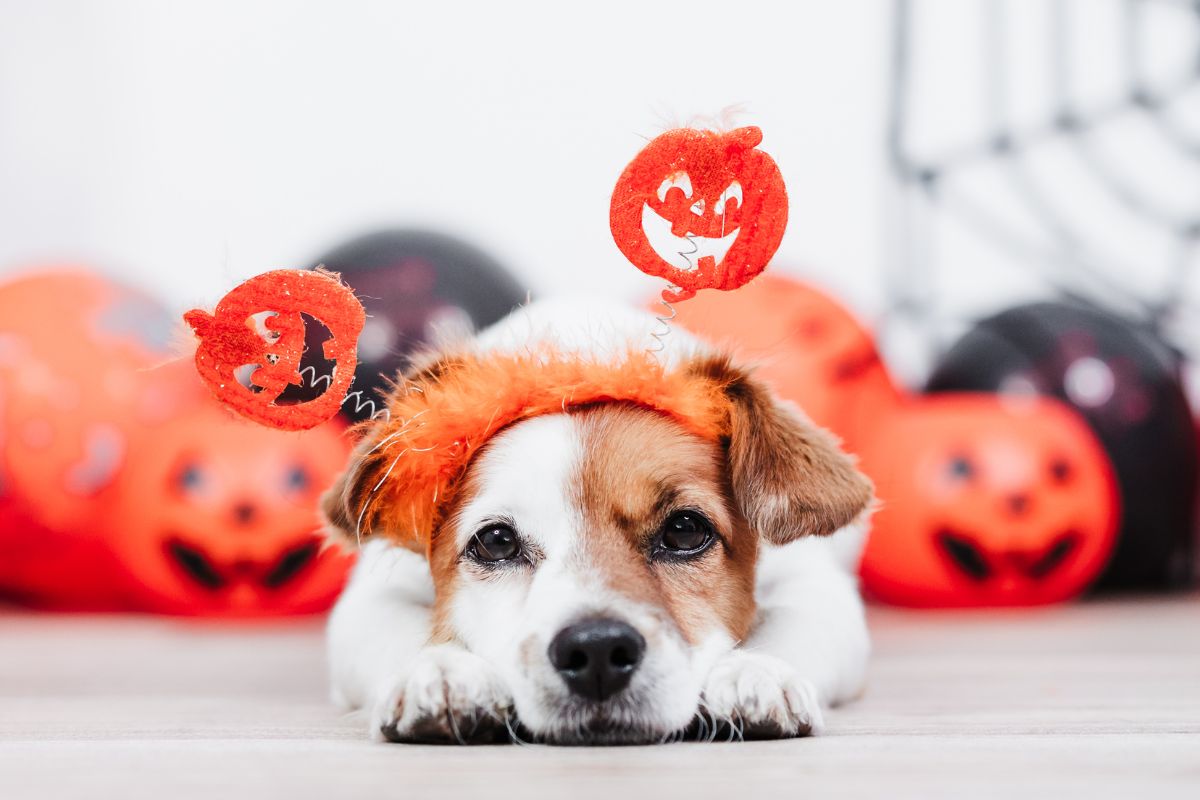
These everyday “spooks” can send your pup into hiding. But just like ghost stories don’t last past bedtime, puppy fears don’t have to be permanent. With patience, compassion, and smart training moves, your little ghoul can grow into a confident companion who isn’t afraid of life’s everyday “monsters.”
Signs Your Puppy’s Feeling Spooked
Before we slay these spooky fears, here’s how to spot the early tremors. A fearful puppy might:
- Cower, tremble, or tuck their tail
- Freeze in place, try to hide, or back away
- Lick lips, pant heavily, or avoid eye contact
- Whine, bark nervously, or adopt a stiff posture
- Growl or snap if cornered (defensive, not malicious)
These aren’t bad behaviors; rather, they’re cries for help. Recognizing them early is the first step to helping your pup feel safe again.
8 Common Puppy Fears (And How You Can Be Their Ghostbuster)
- The “Monster” Vacuum & Other Loud Appliances
The vacuum is basically a roaring beast to a puppy. Instead of firing it up full-blast, start small: roll it around quietly, let your pup sniff it while it’s off. Next, turn it on in another room and give your pup a cozy safe spot to retreat to. You can even make it fun: toss a squeaky toy or play gentle music while it’s running so the noise blends into a normal background. - Thunderstorms and Fireworks
For noise-phobic pups, storms feel like the sky is growling. Try turning these moments into “quiet cuddle sessions” with calm music, gentle massage, or a vet-recommended anxiety wrap like a Thundershirt. Close curtains, create a cozy den, and keep your own demeanor chill; dogs read your emotions like a book. - Shadows, Reflections, and Flickering Lights
A wagging tail in the mirror? A shadow that moves “on its own”? Terrifying! Encourage curiosity instead of fear. Walk over with them, show the light source, and let them explore. Sometimes just turning on an extra lamp or playing shadow games with treats can teach them that not everything that moves is a threat. - Strangers, Hats, Masks & Costumes
Big coats, sunglasses, Halloween masks, they’re confusing! Start with friends your pup knows. Have them put on a hat or mask and sit calmly nearby, tossing a toy or chatting in a friendly voice. Gradually introduce different outfits during walks so your pup gets used to human “transformations.” - The Dreaded Vet or Grooming Table
Slippery surfaces, weird smells, people touching their paws… Yikes! Recreate the environment at home with short “pretend vet visits.” Touch their ears, check their paws, gently hold them still, then reward calm behavior. Play vet-friendly handling games so they associate touch with safety, not stress. - Other Dogs and Animals
For social anxiety, slow introductions are key. Walk parallel at a distance before meeting face-to-face. Use calm body language, let them sniff from afar, and praise relaxed posture. Group puppy classes are a great controlled way to build confidence too. - New Floors or Surfaces
Metal grates, tile, or shiny floors can feel like ice rinks to nervous paws. Try laying towels or mats for traction, then gradually shorten the “safe path.” You can even scatter kibble trails so exploration feels like a fun adventure, not a horror movie. - Being Left Alone
Separation anxiety isn’t just fear; it’s heartbreak for a puppy who hasn’t learned solitude. Start by leaving them for seconds at a time, returning calmly, no big fuss. Give them puzzle feeders or a shirt that smells like you. Calm departures and low-key reunions teach them that you always come back.
Extra Tricks for Tackling Puppy Fears
- Use counterconditioning: Pair scary stimuli with positive things (treats, play). Your pup learns “monster = good stuff.”
- Break training into tiny steps: Don’t rush. Let your pup decide when they’re ready to inch closer.
- Short, frequent sessions: Five minutes of gentle exposure is more effective than one 30-minute session.
- Stay calm, neutral, confident: Your energy affects them. If you panic, they will too.
- Avoid punishment or pressure: Forcing or scolding fear makes it worse. Always respect their limit.
- Celebrate small wins: Even a glance toward the “monster” or a step forward is progress. Treat accordingly.
- Consider professional help: If a fear becomes full-blown phobia (constant panic, unsafe behavior), a behaviorist or vet should guide deeper intervention.
Every puppy has their “haunted house” moments. But behind each fear is a chance to build trust. When your pup learns that you’re their safety net, even the scariest vacuum or thunderclap becomes less monstrous. So this spooky season, don’t chase away their fears. Help them face them. With love, patience, and a sprinkle of play, your pup will soon realize the world isn’t so scary after all. It’s just full of adventures waiting to be sniffed out.
-
15 Smart Questions to Ask Before You Get a Puppy
Spot Reputable Sources and Avoid Puppy Mills
You’ve decided: it’s time to welcome a puppy into your life. But before the toys, the treats, and the new bedtime routine, there’s one crucial decision every future pet parent faces: where your puppy comes from. Not all sources are created equal, and choosing the right one can make all the difference for both you and your future furry companion. A puppy’s origin shapes its health, temperament, and life ahead. The good news? It’s easier than you might think once you know what to ask. Consider this your guidebook to asking smart, discerning questions before you commit.
Why Choosing a Responsible Puppy Source Matters
Getting a pup from a reputable source isn’t just about avoiding heartbreak. It’s about starting your dog off with dignity, the best health care, early socialization, and appropriate breeding practices. Responsible sources care about genetic testing, proper veterinary care, ethical breeding intervals, and ongoing support. In contrast, puppy mills maximize numbers at the cost of animal welfare, often leading to lifelong medical or behavioral burdens for the dog.
The Dangers of Puppy Mills
A puppy mill is a high-volume breeding operation where dogs are often confined, overbred, denied proper veterinary care or socialization, and treated like production units. Their offspring are more likely to carry genetic illnesses, behavioral issues, and poor early life experiences. Sources say you often can’t meet parent dogs, see the facility, or receive health documentation. Responsible breeders, by contrast, welcome visits, transparency, and follow-up.
15 Questions That Separate Responsible Puppy Sources From Puppy Mills
These aren’t just polite curiosities; they’re your best tools for spotting whether a breeder or seller truly puts animal welfare first. Each question below helps you see behind the scenes, so you can tell if the source is ethical, transparent, and trustworthy.
- Can I visit where the puppies are raised and meet the parents?Why it matters: Seeing where puppies live reveals how they’re treated. Clean, spacious areas and friendly parent dogs are signs of care. Meeting the mother (and ideally the father) gives clues to temperament and health. Puppy mills often hide poor conditions behind cute photos.
Green flag: You’re warmly invited to visit, meet the dam and sire, and see the living environment firsthand. Puppies are social, relaxed, and curious.
Red flag: The breeder refuses visits, insists on meeting off-site, or only shows photos or videos. That often signals overcrowded or unfit conditions.
- May I see vaccination, deworming, and veterinary records for both the puppies and parents?Why it matters: Legitimate breeders maintain detailed health records to protect bloodlines and puppy welfare. These records show consistent vet visits, not just last-minute shots.
Green flag: You’re given a folder of documents (vet reports, vaccination logs, microchip details) and offered to contact their vet.
Red flag: “We lost the papers,” “they don’t need shots yet,” or vague claims about health with no written proof.
- Do you perform genetic or breed-specific health testing?Why it matters: Each breed has known hereditary risks: hip dysplasia, heart issues, eye disorders. Reputable breeders screen for these to prevent avoidable suffering.
Green flag: The breeder names specific tests (e.g., OFA, DNA panels) and explains what results mean. They can show proof of parent dogs’ clearances.
Red flag: “We’ve never had problems,” or “those tests aren’t necessary.” That usually means they’re cutting corners.
- How many litters does each female have each year, and over her lifetime?Why it matters: Overbreeding weakens the mother’s health and leads to lower-quality puppies. Ethical breeders prioritize recovery and quality over quantity.
Green flag: They limit breeding to one or two litters a year and retire females after a reasonable number of healthy litters.
Red flag: “As many as she can produce,” or “whenever she’s in heat.” That’s a serious red flag for mill-like practices.
- How old are the puppies when they go to their new homes?Why it matters: Puppies need 8–12 weeks with their litter to learn bite inhibition, confidence, and social skills. Early separation can cause anxiety and behavioral issues.
Green flag: Puppies stay with the breeder for at least 8 weeks, often longer if small or shy breeds.
Red flag: They’re willing to send puppies home at 5–6 weeks or sooner “to make room for the next litter.”
- What kind of socialization or early training have the puppies had?Why it matters: Early positive exposure (to people, noises, and handling) builds calm, confident dogs. Puppies raised in isolation often struggle with fearfulness.
Green flag: The breeder talks about introducing new surfaces, gentle sounds, different people, even early potty or crate training.
Red flag: “They just stay with mom until pickup,” or “that’s for the owner to do.” That’s a sign of neglecting critical development.
- Do you interview buyers before agreeing to sell a puppy?Why it matters: Ethical breeders care where their puppies go. They want to ensure you have the right environment, schedule, and understanding of the breed.
Green flag: Expect questions about your lifestyle, work hours, and other pets. Some breeders may even request a home visit or references.
Red flag: “Anyone can buy one!” If they’re not selective about owners, they’re prioritizing profit over welfare.
- Is there a written contract, health guarantee, or return clause?Why it matters: Contracts show accountability. A responsible breeder stands behind their dogs for life, not just until you’ve paid.
Green flag: There’s a detailed contract outlining health guarantees, vaccination expectations, and a clause that allows returns if things don’t work out.
Red flag: “Once it’s sold, it’s yours,” or “we don’t do paperwork.” That’s an easy out for mills and irresponsible sellers.
- Will you stay in touch or offer support after the sale?Why it matters: Good breeders view buyers as family, not customers. Continued contact ensures lifelong guidance and a network of care.
Green flag: They encourage updates, invite you to join a private group of other owners, and happily answer future questions.
Red flag: They disappear the moment the payment clears or discourage further contact.
- How many breeds do you handle?Why it matters: Each breed requires deep knowledge of genetics, temperament, and care. Handling too many breeds suggests a commercial operation.
Green flag: They specialize in one or two breeds and can explain lineage, health quirks, and personality traits in detail.
Red flag: A long list of “popular” breeds always available is a classic puppy mill indicator.
- Do you always have puppies available or ready to go?Why it matters: Responsible breeders plan litters based on demand and the mother’s wellbeing, not on constant production.
Green flag: There’s a waiting list or scheduled litters, sometimes with interviews or deposits.
Red flag: “We always have puppies in stock!” That’s mill language: quantity over care.
- What are the living conditions like for the dogs?Why it matters: Puppies should grow up in clean, spacious areas with access to play, natural light, and human interaction.
Green flag: Clean pens or home environments, fresh bedding, toys, water, and signs of social dogs.
Red flag: Overcrowded cages, bad odors, no outdoor access, or fearful, withdrawn puppies.
- Who is your veterinarian, and may I contact them?Why it matters: Reputable breeders have a standing relationship with a licensed vet. Verifying care adds another layer of confidence.
Green flag: They readily share their vet’s name, clinic, and allow inquiries. Some even provide proof of regular checkups.
Red flag: “We don’t use a vet,” or “my cousin handles shots.” Huge warning sign.
- How do you screen buyers, and do you require deposits or waiting lists?Why it matters: Ethical sources ensure their puppies go to stable, prepared homes, not impulse buyers.
Green flag: They ask for deposits, applications, or a pre-approval process to match families and puppies thoughtfully.
Red flag: “Cash today, take it home.” That’s transactional, not responsible.
- Why do you breed dogs, and what are your goals?Why it matters: Motivation says everything. Responsible breeders are stewards of their breed, not salespeople.
Green flag: They speak passionately about improving health, preserving temperament, and supporting families after adoption.
Red flag: “It’s a good business,” or “everyone loves this breed right now.” That mindset treats puppies as products.
Why a Reputable Pet Store Beats a Puppy Mill
Reputable pet stores that adhere to these ethical standards are different. These stores often partner with certified breeders or rescue groups, insist on transparency, support health guarantees, and encourage interaction (meetings, records, contracts). They act as intermediaries that raise accountability, not hide it. Choosing such an independent store gives you peace of mind: the origin, care, and ongoing welfare of your puppy matter to them.
Start Your Journey With Wisdom
A puppy is a lifetime commitment, and where it comes from can cast a long shadow. Asking these 15 thoughtful questions isn’t just smart, it’s compassionate. It protects you, and more importantly, safeguards the little life you’re bringing home. Avoid sellers who dodge honest answers or push time pressure. Seek sources who welcome your curiosity, share their practices, and prioritize puppy well-being above profit. That’s the mark of responsibility. That’s the beginning of a relationship built on trust. And that’s exactly the kind of start every puppy deserves.
- Can I visit where the puppies are raised and meet the parents?Why it matters: Seeing where puppies live reveals how they’re treated. Clean, spacious areas and friendly parent dogs are signs of care. Meeting the mother (and ideally the father) gives clues to temperament and health. Puppy mills often hide poor conditions behind cute photos.
-
What Can Puppies Eat? Tasty Treats and Food to Avoid
Few things tug at your heartstrings more than your puppy gazing longingly at your dinner plate. One adorable, pleading look can make you want to give in and share your meal (understandably so, those puppy eyes are powerful!). But before slipping them a bite, it’s important to know what’s safe and what’s not. Puppies are still growing, and while some people food can make healthy treats, others are harmful or even toxic. Knowing what foods puppies can eat helps you give them safe, nutritious treats while avoiding harmful options.
Why Educating Yourself Matters
Your pup depends on you to make the right choices. A small “treat” from your plate can either boost their nutrition or send you racing to the vet. Knowing what’s safe and what’s not keeps your puppy healthy while giving you peace of mind.
When Puppies Can Try People Food
Puppies can begin sampling small amounts of safe human foods once they’re weaned and fully eating puppy kibble, usually around 8 weeks old. Keep portions tiny and occasional. People food should never replace a balanced puppy diet, but it can be a fun way to add variety. Think of it as a bonus treat, not the main course.
Safe Foods for Puppies (in Moderation)
Some people foods are safe and even nutritious for puppies when served properly:
Carrots – Crunchy, low-calorie, and packed with vitamin A. Perfect for teething pups and great for dental health when chewed raw.
Apples (no seeds or core) – A sweet source of vitamins A and C, plus fiber. Slice thinly to avoid choking hazards.
Blueberries – Tiny antioxidant powerhouses that support brain health. A great training treat because of their small size.
Pumpkin (plain, cooked, or canned) – Rich in fiber and gentle on digestion. Helps with both diarrhea and constipation when served in spoonfuls.
Bananas – Loaded with potassium, vitamins, and fiber. Best given in small chunks due to their natural sugar content.
Cooked Chicken or Turkey (plain, no seasoning) – A lean protein that supports growing muscles. Shred into small pieces and avoid skin or fat.
Salmon (cooked, boneless) – High in omega-3 fatty acids, which promote a shiny coat and healthy skin. Never serve raw or with bones.
Plain Rice or Pasta – Bland but filling, and great for soothing an upset stomach. Serve plain, without sauces or butter.
Cheese (low-fat, in moderation) – Pups love cheese, and it can be a good training reward. Stick to small amounts to avoid tummy troubles.
Dangerous Food to Avoid
Other foods should never be given to puppies, as they can cause illness or worse:
Chocolate – Contains theobromine, toxic to dogs and especially harmful to puppies. Dark chocolate is the most dangerous.
Grapes and Raisins – Even tiny amounts can cause sudden kidney failure. Best to avoid completely.
Onions, Garlic, and Chives – These damage red blood cells and can lead to anemia. They’re unsafe in any form—raw, cooked, or powdered.
Avocado – Contains persin, which upsets a puppy’s stomach and can be dangerous in large amounts.
Macadamia Nuts – Known to cause weakness, tremors, and vomiting in dogs. Never feed them.
Xylitol (artificial sweetener in gum, candy, and some peanut butters) – Extremely toxic. Even a small lick can cause low blood sugar, seizures, or liver failure.
Alcohol and Caffeine – Both can cause rapid heart rate, seizures, and even death. Never let your pup near coffee, soda, or cocktails.
Fatty or Fried Foods – Can trigger pancreatitis, stomach upset, and long-term weight issues.
Cooked Bones – Dangerous because they splinter and can choke or injure your puppy’s digestive tract.
Why Puppies Love Eating With You
Sharing meals feels natural to your pup because they see you as family, part of their pack. But the safest way to bond is with approved snacks and nutritious treats.
Knowing which foods are safe (and which are dangerous) is a vital part of raising a healthy pup. By sticking to dog-friendly options and avoiding risky ones, you’ll keep your puppy safe while still making them feel included at the table. After all, a healthy puppy is a happy puppy. And that’s the best treat of all!
-
From Plaid to Pumpkins: A Guide to Fall Fashion for Pups
Autumn is calling, and it’s not just your closet that’s ready for a seasonal refresh. Cozy knits, plaid scarves, pumpkin patch photo ops… fall is the moment for fashion. And honestly, why should pups miss out? Dressing your furry sidekick in chic, comfortable, and seasonal styles isn’t just cute, it’s practical. With dropping temperatures and plenty of outdoor adventures ahead, your pup deserves to look as fabulous (and as snug) as you do. After all, nothing turns heads faster at the pumpkin patch than a puppy in perfect fall fashion.
8 Fall Fashion Faves For Your Pup
1. The Fall Sweater Edit
From chunky knits to sleek turtlenecks, sweaters are autumn essentials. They provide warmth on crisp walks, prevent chills for smaller or short-haired pups, and look utterly adorable layered with a bandana. Marled greys, pumpkin orange, or rich burgundy are perfect for cozy couch cuddles and apple orchard strolls. Choosing the right fall dog clothes ensures your furry friend stays stylish while staying protected from chilly breezes.
2. Plaid Bandanas
Plaid is practically the official print of fall. A soft flannel bandana is an easy way to give your pup instant autumn style. It’s lightweight, comfy, and a subtle nod to the season. Plus, no one can resist a dog in plaid posing in a leaf pile. It’s fall postcard perfection!
3. Quilted Coats
For pups who like a little sophistication, a quilted jacket is the epitome of country chic. These coats are light enough for active play but insulated enough to block chilly breezes. They pair beautifully with long walks through crunchy leaves or a fireside cuddle afterward.
4. Pumpkin Patch Prints
Pumpkin-themed harnesses, collars, or bow ties make your pup part of the seasonal celebration. These accessories are festive without being fussy, ideal for pups who prefer less clothing but still want to match the fall vibe.
5. Cozy Hoodies
Hoodies keep things casual, comfy, and fun. They’re great for pups who love lounging indoors but need a little extra warmth when heading out. Opt for neutral tones or even witty slogans like “Pumpkin Spice Pup” for that cozy and playful touch.
6. Raincoats for Drizzly Days
Autumn showers happen, and nothing spoils a walk faster than a soggy pup. A waterproof raincoat in a cheerful color keeps your dog dry and stylish. Bonus: it saves you from toweling off a mud-splattered pooch afterward.
7. Protective Booties
Wet leaves, mud, and chilly pavements can be tough on paws. Booties add both flair and function by shielding delicate pads while looking fashion-forward. They’re especially handy for dogs who dislike dirty paws (or for owners who dislike muddy floors!).
8. Seasonal Accessories
Felt hats, pumpkin-colored bows, or autumn-hued harnesses, accessories bring the whole look together. They’re the finishing touch that takes your pup from “cute dog” to “fall fashion icon.” Perfect for family photos or Instagram-ready snaps.
Tips for Dressing Your Pup
- Ease them in. Start small with bandanas or light sweaters so your pup gets comfortable.
- Fit matters. Clothes should be snug enough to stay in place but never restrict movement. Always check the chest, neck, and underarms for pinching or rubbing.
- Choose breathable fabrics. Cotton blends or lightweight knits prevent overheating during play.
- Prioritize function. If it’s cold and wet, go for warmth and weather resistance first, then style.
Safety Meets Style
Dressing up your fur baby for fall is a lot of fun. But always keep this in mind: Fashion should never come at the expense of your pup’s comfort. Avoid outfits with loose strings, dangling charms, or buttons that could be chewed off. Always supervise your dog in clothing to ensure they don’t get tangled or overheated. Rain gear and sweaters should allow for natural movement, and nothing should interfere with bathroom breaks.
And remember, as adorable as she may look, if your pup shows signs of stress such as scratching, biting at the outfit, or refusing to move, swap for something simpler like a seasonal bandana. Safety and style should always go hand in hand.
This fall, let your pup join you in embracing all things warm, whimsical, and pumpkin-spiced. With the right wardrobe, your furry best friend will not only stay warm but also become the chicest member of your autumn adventures. So dress them right, keep them cozy, and watch every tail wag double as the accessory of the season!
-
5 things you must know about Heat Stroke in Dogs
When exposed to the hot sun for long periods of time, dogs can suffer from a serious condition called heat stroke. It’s important that you know the signs and understand how to prevent your dog from suffering from heatstroke. Here are five facts that you must know.
1. Normal body temperature in dogs is 100.5-102.5 degrees. Heatstroke will occur when a dog’s body temperature reaches 107-109 degrees. Dogs don’t sweat through their skin the same way that humans do, instead of dogs sweat through their nose and footpads. This means it can take a dog’s body much longer to cool off after prolonged exposure to heat.
2. Certain breeds have a higher risk of heatstroke. This includes short nose breeds, large heavy coat breeds, and dogs with respiratory problems.
3. Since our dogs can’t talk, it’s our responsibility to know the signs of heatstroke. These signs include:
- heavy panting
- difficulty breathing
- excessive thirst
- thick saliva
- vomiting
- staggering
- lethargy
4. Prevention is a far better alternative because in most cases by the time that symptoms are visible it is often too late. The best method to prevent heat stroke in your dog is to avoid prolonged sun exposure. If you live in a hot climate, don’t leave your dog outside for more than 10 minutes at a time. Do not leave your dog in a car unattended while you run errands. Even with the windows down the car can reach a temperature over 110 degrees, putting your dog at risk for heatstroke.
5. If you think your dog is suffering from heatstroke, there are a few actions you can take.
- Move your dog out of the heat or direct sunlight immediately
- Use cool washcloths and apply them on the footpads and the head
- The cool process should be gradual, avoid using ice water or ice
- Offer your dog water but don’t force her to drink
- Visit an emergency vet as soon as possible
-
Is a dog walker right for you?
Daily walks are essential to our dog’s happiness and wellbeing. Your dog could require up to 3 walks per day depending on its age, breed, and energy level. With the daily hustle and bustle of work, school, and social activities, making time for your dog’s walk may feel like a difficult act to balance. Recently many cities have seen the introduction of dog walking services who can help bridge the gap for individuals like yourself with busy schedules. How can you determine if a dog walker is right for you?
1. Your dog is comfortable and friendly with strangers
If your dog is friendly and greets strangers with enthusiastic energy, then your dog would benefit from dog walking services. If your dog becomes aggressive or territorial around new humans, then you may want to reconsider. Also, keep in mind that your assigned walker could change so your dog may have to adjust to new people on the fly. You know your dog’s temperament best when it comes to strangers. The walking experience should be comfortable for your dog and the walker so don’t force your dog into an uncomfortable experience prematurely. Work with your vet to get advice on how to ease your pup into being more comfortable around strangers.
2. Your dog is comfortable and friendly with other dogs
Dog walkers usually balance a small group of dogs. This can be problematic if one dog is aggressive towards the others. If you notice that your dog barks uncontrollably around other dogs, or attempts to chase after other dogs, you may want to reconsider using a dog walking service. Dogs who are calm and friendly toward other dogs are the best candidates for dog walking services.
3. Your dog is comfortable with a stranger entering your home
Since you will most likely be using the service when you aren’t home, it is important that your dog doesn’t become aggressive or territorial when a stranger enters your home. The dog walker will enter your home using the key provided, and you want to be sure that your dog can be easily transitioned from the home to the walk.
-
4 Things that happy dogs do
- Make Eye Contact
Dogs will focus on things that they like and are interested in. If they are intimidated or scared of something, they won’t want to look at it, much the same as a person may cover their eyes if they were to see something scary!
Regular eye contact with your dog is a sign that they love and trust you, so hold their gaze from time to time, to show that you love and respect them too.
2. Snuggling in Your Stuff
As a dog’s sense of smell is so acute, they use scent to communicate feelings of love and attachment. Dogs who are happy and well-attached to their owners often enjoy snuggling up to the scent of their owner too. This goes a long way in explaining why you may often find your beloved pooch nestling in the dirty laundry or chewing on old shoes.
3. They Listen to You
If your dog responds to you when you call, it is a strong sign that they are happy and secure. If your dog obeys your commands and listens when you speak, it shows that they have a strong bond with you.
4. Engage in Play-time
A happy dog regularly displays playful behavior. Playful behavior may be shown as jumping and leaping about. Some dogs may also bow to you by stretching out their front legs, receiving a bow from a dog is a sure sign they are happy with you and in a good mood.
A playful pup may also lean into you, enjoying any attention you give them. It’s also a great sign if your dog pushes into your hand when you go to pet them, or rolls onto their back for you to tickle their tummy.
-
Road trip tips — How to travel with your dogs
Spring is a great time to take a road trip. If you plan on bringing your pup with you, here are a few tips for a successful road trip.
1. What to pack — While on your road trip, you’ll want to try to keep your pet’s daily routine as regular as possible. This won’t be easy since you’ll be focused on the road, but be sure to pack his favorite treats, toys and his normal pet food.
2. Car Safety — While the car is moving, we suggest keeping your dog crated. If you feel this isn’t a viable option, you may want to consider a pet harness. Keeping your dog secured in the car will prevent them from posing a hazard while you are driving.
3. Plan your stops — You’ll want to map your stops and make sure no more than 3 hours go by without stopping and allowing your pup to relieve himself and stretch his legs. It’s not uncommon that during these breaks, your pup won’t go. New environment can often cause anxiety.
4. Pet friendly hotels — Be sure to plan overnight stops at per friendly hotels. When you arrive at the hotel, you will surely be tired, but your pup will have some energy that will need to be released. Go for a long walk to help your dog tire out. You’ll always want to scan the hotel the room and remove any hazards
5. Relax — During a long road trip, the last thing you’ll want to do is worry about the dog. Your dog can sense your energy so remain calm and enjoy the ride. Take your time, take lots of photos and enjoy the beautiful scenery.
-
Uber Pet the newest Rider Option
Your dog is your best friend and uber is your favorite app, so what do the two have to do with each other? Well, Uber recently introduced its newest travel option, Uber Pet. Here’s how Uber Pet is changing rideshare.
Uber Pet allows you to bring a pet on your Uber trip. Before the introduction of Uber Pet, rideshare applications only allowed service animals to accompany riders. A service animal is defined as an animal that is trained to work or perform tasks for an individual. Riders with service animals don’t have to use the Uber Pet option as Uber drivers cannot lawfully deny service to riders with service animals under any circumstance including, allergies, religious objections, or fear of animals.
If you don’t have a service animal and decide to use the Uber Pet option, you will need to select the option for Uber Pet after you enter your pick up and drop off location, and only one pet can travel with you per trip. Uber Pet allows small pets such as cats or dogs to travel, but there is no breed or size restriction.
The Uber Pet option will cost more than the other ride options, and a cleaning fee could be assessed if your pet leaves waste, sheds excess hair, or causes damage to the vehicle. Uber suggests being a small blanket or towel for your pet to sit on while in the car, this can help to minimize or prevent the being assessed the cleaning fee.
Uber offers a few more tips for Uber Pet tips. They suggest keeping your pet restrained with a leash, harness, or crate. In consideration of the safety and comfort of the driver Uber suggests that you don’t leave your pet unattended and ask the driver if they have a preference of where your pet should sit.
-
Weekend activities with your Pup
If you work full time then you know it can be hard to squeeze in quality time during the week. Weekends were created to give the full-time workers the opportunity to catch up with family. Since our pets are part of our families its important to make time for your dog during the weekend. Here are a few ideas.
Keep it simple
Dogs are not complicated, they simply want your love and affection. You can simply spend one on one time with your dog on the weekend to show him that you care. Let him ride along as you run errands, or make the morning walk an extra 15 minutes on weekend. These are all simple ways to spend time with your pup this weekend.
Check out a dog park
Dog parks are the most exciting place for dogs. Find a local dog park and allow your pup to bond and hang out with fellow canines. Be sure to keep your eyes on your pup as he explores at the dog park. You will see a new side of your dog as he engages and makes friends.
Teach a new trick
Teaching your dog a new trick is fun and rewarding. Start with a simple trick such as shake and be sure to have lots of treats handy. Your dog will enjoy the challenge of earning treats in exchange for showing off his new skills.
Buy her favorite treat
Make the weekend special by buying her favorite treat. Dogs love rawhide bone and Antler ears!
Visit the vet
If you are too busy to go during the week, make a weekend appointment to visit the vet. Nothing shows you love your dog more than doing your part in keeping her healthy!
-
Three Facts about Puppy Training
If you are dreaming of buying a new puppy, you aren’t alone. Humans love puppies and dogs are the ultimate companions. It’s important to remember that puppies can be challenging especially if you are a first time or single pet parent. If you are considering a puppy here are three facts that can help you to prepare for your new furry friend.
Crating compels to their natural instincts
Many new puppy parents have mixed feelings about crate training, and often feel bad when putting their puppy inside a crate. While it’s not natural for humans, and it may look like a cruel and lonely cage, the crate is an important part of your pup’s training and development. In the wild, dogs have the natural instinct to seek shelter inside a den. The crate is a comfort zone that your puppy will naturally retreat to, be patient and allow him to adjust to his crate and you will be happy you did.
Creating a routine helps with house training
One of the biggest problems that new puppy parents face is housetraining. Puppies tend to pee a lot during this process and in response, most puppy parents increase the number of walks, which can actually make the problem worse. Puppies adapt well to a predictable life so creating a routine for outside time and walks will help your pup succeed with housetraining.
Leash him!
When your puppy is outside of his crate, it’s important that he wears a lightweight leash. This will help you supervise and correct his behavior. Puppies are playful creatures and when you touch them to correct their behavior, they can confuse the touch as an invitation to play. This can reinforce bad behavior rather than stop it. The leash can be gently tugged to guide or redirect a mischievous pup, and soon he will under the role of the leash.